
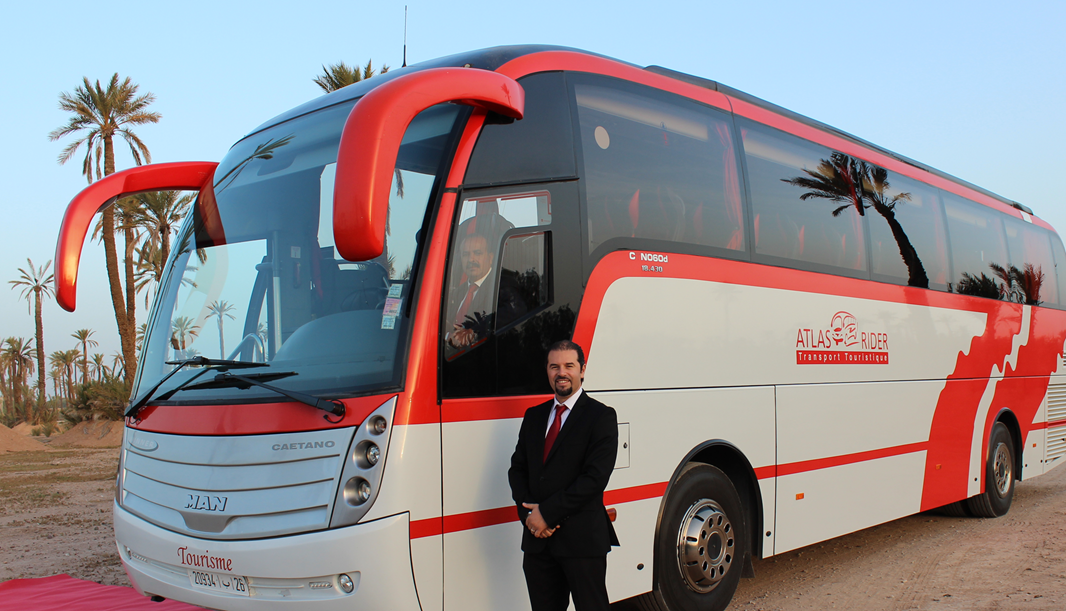



Integrating electric and hybrid vehicles into transport fleets
Integrating electric and hybrid vehicles into transport fleets is no longer a distant vision; it’s a strategic move for forward-thinking businesses. This transition offers significant financial and environmental benefits, positioning your company as a leader in sustainable transport. For businesses looking to build an eco-friendly fleet in Morocco, understanding the process is the first step toward a greener, more efficient future.
Why Switch to Electric and Hybrid Vehicles?
The shift toward electric and hybrid vehicles brings numerous advantages that go beyond just reducing your carbon footprint. In fact, it’s a smart business decision that enhances service quality and operational efficiency.
- Lower Operating Costs: Electric vehicles have fewer moving parts, which means less maintenance. Additionally, electricity is generally cheaper than diesel or gasoline, leading to substantial fuel savings over time.
- Positive Brand Image: Demonstrating a commitment to sustainability enhances your corporate reputation. Consequently, this attracts environmentally conscious clients and partners.
- Quieter and Smoother Journeys: EVs and hybrids provide a more comfortable experience for passengers due to reduced noise and vibration, which is a major plus for services like corporate shuttles or VIP transfers.
- Future-Proofing Your Fleet: As environmental regulations become stricter, having an eco-friendly fleet ensures you remain compliant and avoid potential penalties in 2025 and beyond.
Key Steps for a Successful Integration
Transitioning your fleet requires careful planning. Therefore, following a structured approach will ensure a smooth and effective integration process from start to finish.
1. Analyze Your Current Fleet Operations
First, evaluate your existing routes, daily mileage, and vehicle usage patterns. This data helps you identify which vehicles are prime candidates for replacement with electric or hybrid models. Not all routes may be suitable for EVs initially.
2. Select the Right Vehicles
Next, research the available electric and hybrid models that fit your needs. Consider factors like passenger capacity, range, and cargo space. For instance, electric minibuses are great for urban staff transport, while hybrid coaches might be better for long-distance intercity transfers.
3. Plan for Charging Infrastructure
An essential step is planning where and how you will charge your vehicles. You will likely need to install charging stations at your depot. Also, it is wise to consider the availability of public charging points along your main routes.
4. Train Your Drivers and Staff
Finally, your team needs to be prepared for the change. Drivers should learn about regenerative braking and efficient driving techniques to maximize range. Similarly, maintenance staff will require new skills to service the vehicles properly.
Overcoming Common Challenges
While the benefits are clear, there are challenges to consider. However, with proper planning, they are easily managed.
- Initial Investment: The upfront cost of EVs is often higher than traditional vehicles. Yet, government incentives and long-term savings on fuel and maintenance typically offset this initial expense.
- Range Anxiety: The fear of a vehicle running out of power is a common concern. Modern EVs offer impressive ranges, and careful route planning based on your analysis will eliminate this issue.
- Infrastructure Development: Setting up charging stations requires an investment in both time and money. Phasing the transition can help manage this process effectively.
Building an Eco-Friendly Fleet in Morocco: What to Consider
When creating an eco-friendly fleet in Morocco, local factors play a crucial role. The country’s varied terrain, from bustling city centers to mountainous regions, demands versatile and reliable vehicles. Moreover, the climate can affect battery performance, so choosing models suited for warmer conditions is important.
Companies that pioneer this shift are setting a new standard for professional transport in the region. They not only contribute to national sustainability goals but also offer a premium, modern service to clients seeking responsible partners for event transportation or corporate shuttles.
The Future of Sustainable Transport
The move towards electric and hybrid fleets is more than a trend; it’s the future of mobility. As technology continues to improve, we can expect longer ranges, faster charging times, and even more vehicle options. By starting the integration process now, you position your transport company at the forefront of innovation, ready to meet the demands of a changing world.
Make every journey an unforgettable experience with Atlas Rider.
Combining comfort, safety, and exceptional service, we accompany individuals, businesses, and travelers in all their transportation needs across Morocco.
Contact us today:
📞 +212 6 00 09 36 30 // +212 6 46 11 60 34
🌐 www.atlasrider.ma